How to Choose the Right Dune Buggy Safari in Dubai
Choosing a dune buggy safari in Dubai is less about picking the first appealing photo and more about matching the drive to your comfort level, schedule, and expectations. The desert can feel very different in the morning, late afternoon, or near sunset, and a buggy outing can range from a short taste of the dunes to a fuller half day with other activities. A little planning helps you avoid surprises and choose an experience that feels well paced from start to finish.
Start with the kind of drive you want
Before comparing options, decide what kind of outing sounds right. A dune buggy safari Dubai experience usually centres on driving across desert terrain, but the pace and purpose can vary. Some riders want a lively route with steep dunes and plenty of motion. Others prefer a steadier drive with time to stop, take in the open landscape, and photos. If you are new to buggies, a gentler introduction is often more enjoyable than pushing straight into demanding terrain.
Think about who will be riding too. Age, height, driving confidence, and physical comfort all matter. If children or less confident passengers are joining, look for an option that gives clear attention to safety briefings, seating, and route suitability. A shared vehicle may suit a couple or small group, while a private setup can feel easier if you want space, quiet, and more control over the pace. The aim is not to find the most dramatic description, but the drive that fits the people involved.
It also helps to know the difference between a buggy drive and related desert activities. Quad biking may appear in the same search results, but it has a different riding position and feel. Dune bashing is usually associated with a four wheel drive vehicle rather than a self driven buggy. If the main reason you are looking is the chance to handle a buggy yourself, keep that as the deciding point when comparing packages.
Check what is included beyond the drive
Many desert outings are advertised with a bundle of extras, and these can change the value of the choice. A morning safari tends to suit people who want cooler conditions and a quieter start to the day. A sunset safari often appeals to those who want softer light and a more atmospheric setting. Neither is automatically better. The right pick depends on whether you care more about heat, light, crowd levels, or fitting the activity around other plans.
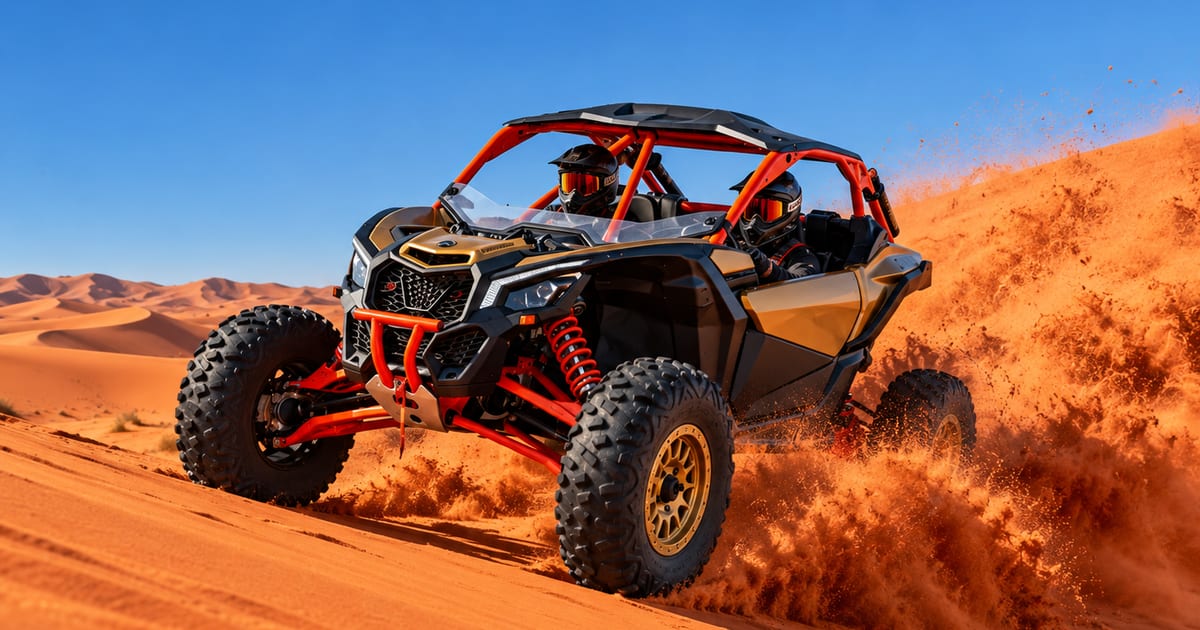
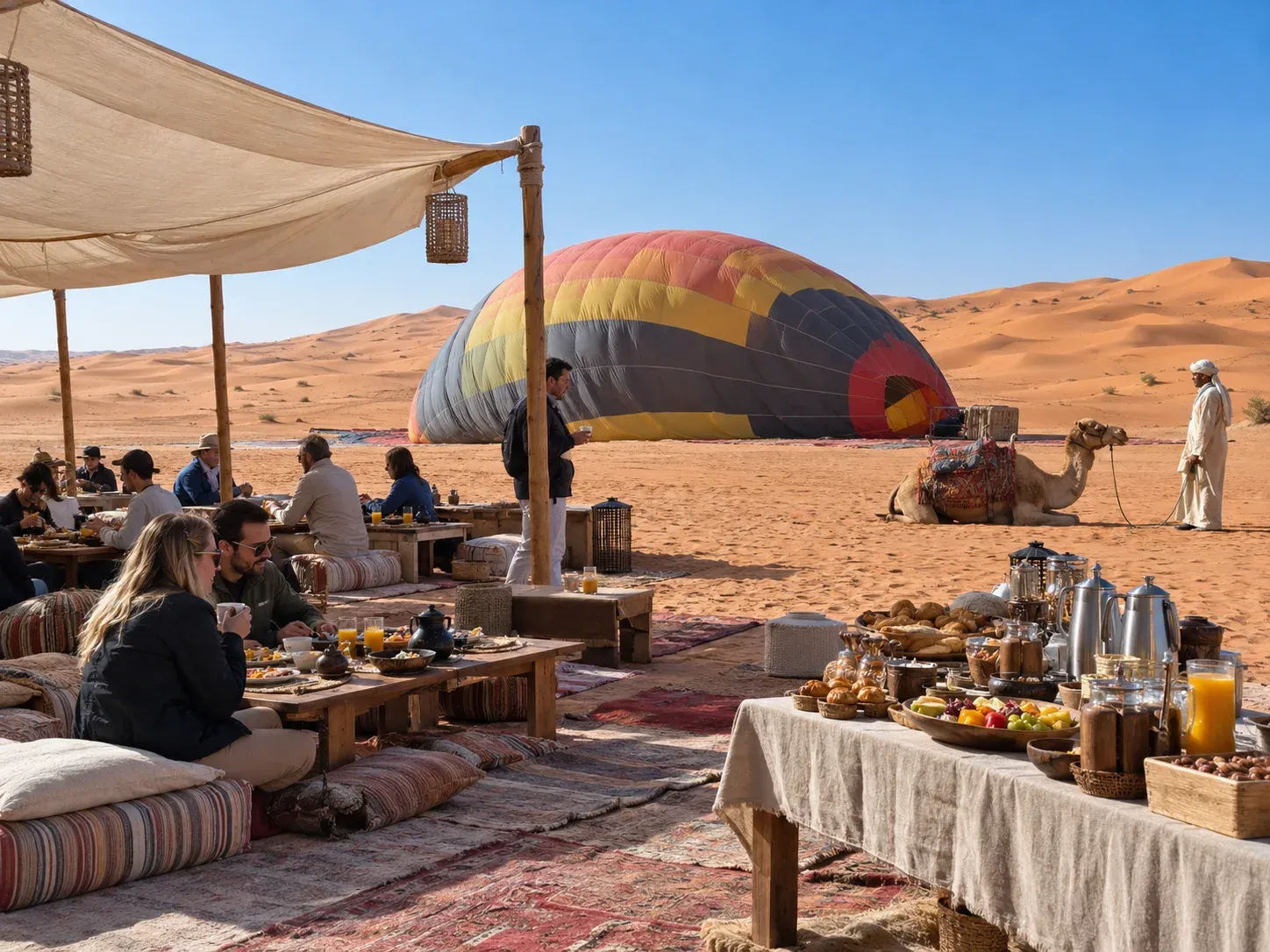
Look closely at what is described alongside the buggy portion. Sandboarding, a camel ride, a barbecue dinner, or a belly dance show can turn a simple drive into a broader desert evening. These additions can be enjoyable, but they also take time. If you are choosing mainly for the driving, too many extras may shorten the part you care about most. If you are planning a full outing for a group with mixed interests, a fuller package may keep everyone engaged.
When reading the details, note whether the extras are described as part of the main experience or as separate moments. Transfers, refreshments, photography opportunities, and time at the desert camp can affect how the day flows. Clear wording is a good sign. Vague phrases may leave you unsure whether you are comparing like for like. If a detail matters to you, check it before deciding rather than assuming it is included.
Some travellers use the Dune Buggy Dubai official site as one reference point while comparing wording and package details. Others prefer to review several sources first, then return to a shortlisted option. Either approach works if the comparison is based on the same basics: driving time, route style, group size, inclusions, and the level of guidance provided.
Compare timing, route style, and group size
Timing can shape the whole outing. Midday heat may feel intense, especially during warmer months, while early starts can be more comfortable. Late afternoon and sunset slots are popular because the desert looks softer and the temperature may be easier to manage. However, popular times can also feel busier. If a calm experience matters, ask how many vehicles or guests usually share the same slot and whether the route is arranged in small groups.
Route style deserves equal attention. A route with frequent stops is useful for photos and for guests who want breaks. A faster route may appeal to experienced riders who enjoy movement and changing dunes. The safest choice is not always the most extreme one. Desert terrain shifts, and a responsible operator will adjust the route to suit conditions and the ability of the group. Be wary of any description that promises fixed thrills regardless of conditions.
Group size changes the mood. A smaller group often feels more personal and easier to manage, particularly for first timers. A larger group can be lively and social, but it may involve waiting, shared instructions, and less individual attention. If you are travelling as a family or with friends, consider whether you want to be mostly together or are comfortable joining others.
The Dune Buggy Dubai official site may be useful when checking how a shortlisted outing is presented, especially if you are comparing the same activity name across different pages. Keep your notes simple. Write down the start time, the length of the buggy segment, what happens before and after it, and whether the route is described as gentle, moderate, or adventurous. That makes it easier to spot real differences instead of reacting to polished wording.
Read the safety details before you commit
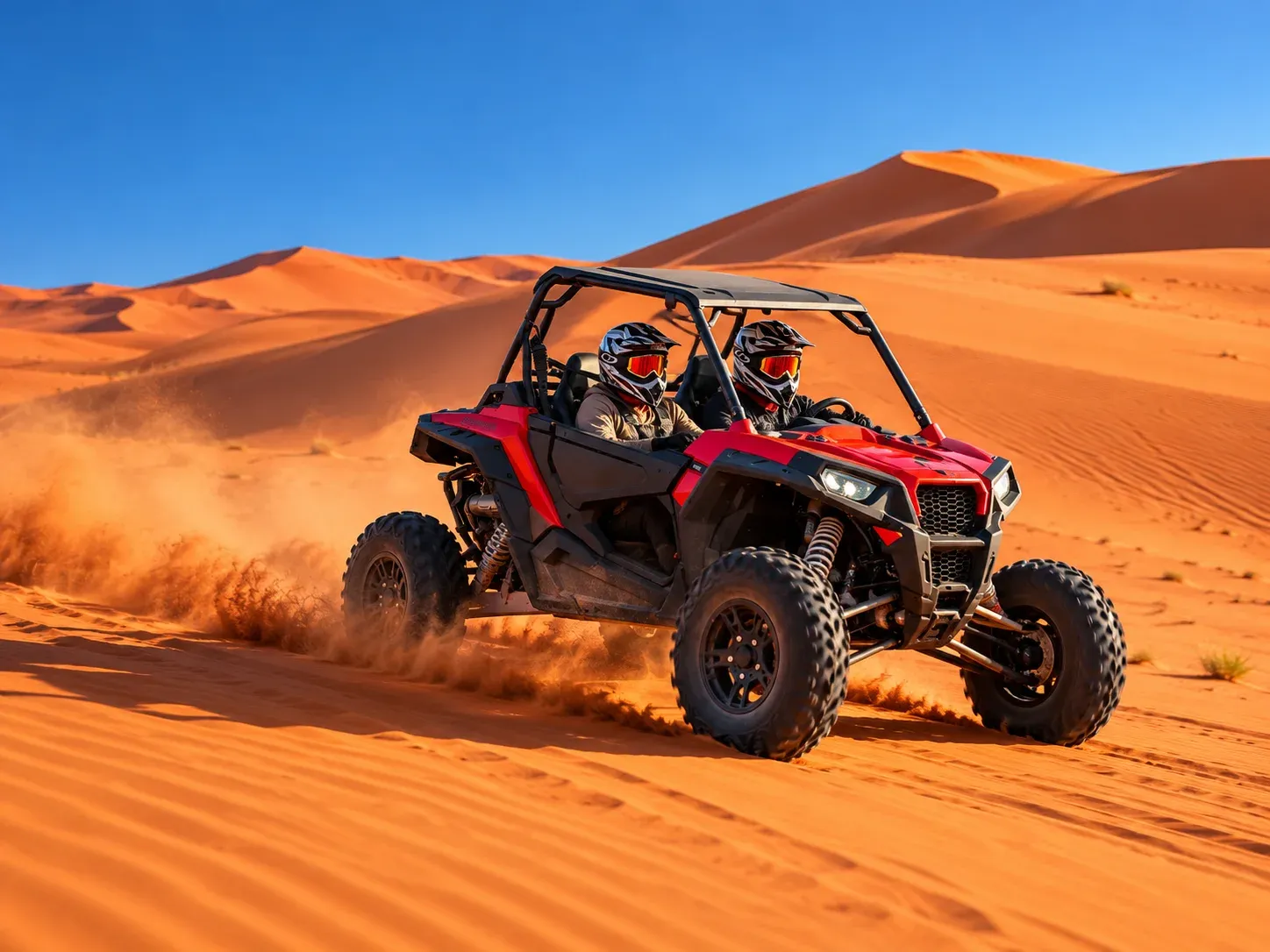
Safety is not a minor detail in a buggy safari. Before choosing, check whether helmets, briefings, and supervision are mentioned clearly. A proper briefing should explain how the buggy works, how signals are used, what the route involves, and what riders should do if they want to slow down or stop. Drivers should understand that desert terrain requires smooth steering and steady control, not sudden moves.
Pay attention to clothing and personal items as well. Lightweight clothing, closed toe footwear, sunglasses, and sun protection are practical choices for a desert outing. Loose scarves, dangling accessories, or items that can fly out during a ride are best avoided. If a provider gives guidance on what to wear, read it before the day rather than improvising at the last minute.
Insurance, licences, age rules, and passenger requirements should also be checked where relevant. These details vary, and they matter when you are comparing options for different members of a group. If a rule is unclear, ask for clarification before booking. A clear answer at the planning stage is far better than confusion on the day.
Any mechanical issue is a job for a qualified professional. Riders should not try to adjust brakes, steering, safety equipment, or any part of the buggy during an outing. Signs such as unusual noise, loss of control, or a vehicle that does not respond normally should be reported to the guide or staff at once. The practical role of a rider is to follow instructions, stay with the group, and stop when told to stop.
Make the final comparison in a practical order
Once you have a few options, compare them in the same order each time. Begin with the rider profile and comfort level, then the timing, then the length and style of the drive. After that, look at extras, group size, and the clarity of the safety information. This keeps the decision grounded in what the experience will actually feel like.
A useful approach is to shortlist three choices and eliminate one at a time. Remove any option that does not suit the least confident rider. Then remove any option with timing that clashes with the rest of your plans. Finally, choose between the remaining two based on route style and inclusions. This avoids getting distracted by small details while ignoring the bigger fit.
Reviews and descriptions can help, but read them with care. Praise about scenery is useful, yet it says little about organisation. Complaints about waiting may matter more if your time is limited. Repeated comments about clear instructions, route changes, or unclear inclusions are worth noting. Look for patterns rather than relying on a single dramatic opinion.
It is also wise to confirm the meeting point, what happens if conditions change, and how the schedule works before you travel. Desert activities depend on weather, daylight, and terrain, so flexibility is part of a well run outing. A choice that explains these points plainly is usually easier to trust than one built only around excitement.
The right dune buggy safari Dubai choice should feel matched to your group, your timetable, and your appetite for adventure. When the basics are clear, the rest becomes simpler. Pick the drive first, treat extras as a bonus, and give safety information real weight. That way, the desert experience is chosen for the right reasons and enjoyed for the right moments.